
Decentralized finance (DeFi) has relentlessly revolutionized traditional financial systems through blockchain, creating a world of services that requires no intermediaries. Among the various projects emerging from this innovative field is Uniswap – an unprecedented decentralized exchange. This essay provides insight into Uniswap’s fascinating DeFi ecosystem.
Uniswap is more than a typical decentralized exchange – it’s a protocol built on the Ethereum blockchain, enabling automated transactions between cryptocurrency tokens. Developed by Hayden Adams in 2018, Uniswap operates on a simple concept: “automated liquidity protocol.” Unlike several traditional exchanges that rely on an order book to match buyers and sellers, Uniswap adopts an automated market maker (AMM) model, allowing the protocol to trade tokens directly from the liquidity pools.
The heart of the Uniswap ecosystem is a duo of Ethereum tokens, acting as liquidity pools for traders to execute their trades. When a user wants to trade Token A for Token B, they interact with the corresponding pool. The price of the tokens is determined by the ratio of Token A to Token B in the pool, and the trade causes an adjustment in this ratio, thus affecting the price.
Uniswap also offers exciting opportunities to liquidity providers, who contribute to these pools with an equal value of two tokens and earn a portion of the trading fees based on their contribution. This allows anyone to be a market maker and benefit from the exchange by staking their assets into the pool.
Moreover, UniSwap’s open-source interface has encouraged several developers to leverage the protocol for their innovative financial services, adding value to the overall Ethereum ecosystem. Besides, the platform’s governance token, UNI, empowers the community, enabling them to participate in decision-making processes and drive the network’s future direction.
Decentralization, accessibility and community-oriented governance make Uniswap a significant game-changer in the DeFi ecosystem. However, this protocol isn’t without risks. For instance, the impermanent loss due to the volatility of the crypto market, the risk of smart contract failures, and scams through fraudulent tokens are matters of concern for users.
Nevertheless, Uniswap continues to take strides in the DeFi arena, with consistent updates and features aiming to tackle these challenges and bolster security. The anticipatory launch of Uniswap v3.0 promises to bring substantial improvements, such as enhanced capital efficiency, range orders, and superior flexibility for liquidity providers, indicating an incredibly promising future for this DeFi titan.
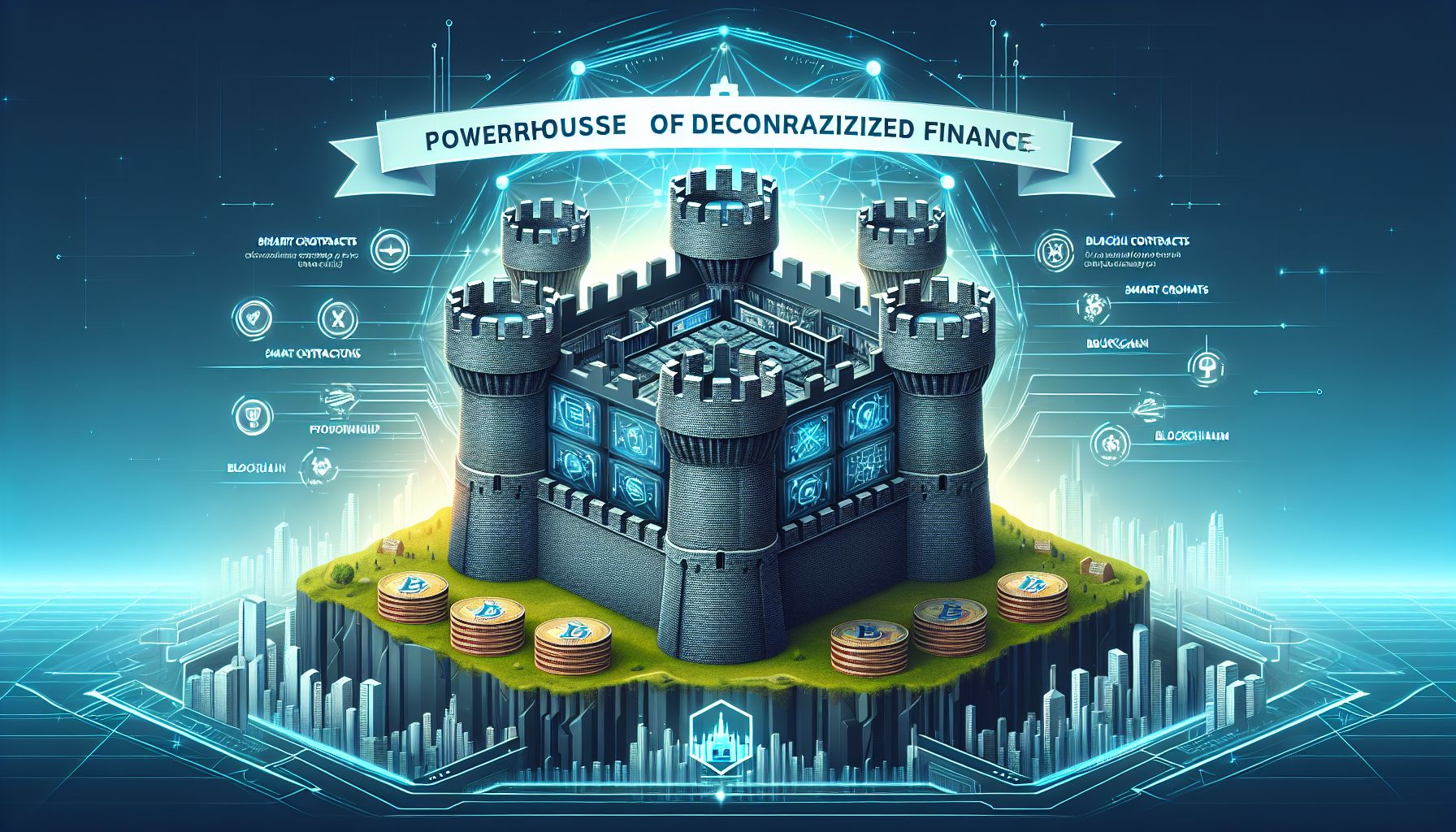
In conclusion, Uniswap has certainly paved the way for an exceptionally new form of decentralized exchanges with its unique model and features. While posing a few risks, it offers a rich array of opportunities to traders, liquidity providers, and developers alike. By placing control back into the hands of its users, Uniswap embodies the very essence of the DeFi movement, reimagining the world of finance. It indeed is a comprehensive powerhouse of the DeFi ecosystem.
Financial notice (as of 16.10.2026): this article is general information, not financial, investment, tax, or legal advice. Crypto-assets are high risk: you can lose some or all of your money. Rules and products change; always check the official source and, if needed, ask an independent adviser.
Investment risk (as of 16.10.2026): past performance does not predict future results. No return is promised or guaranteed. Do not invest money you cannot afford to lose, and do not invest borrowed money.