

Introduction
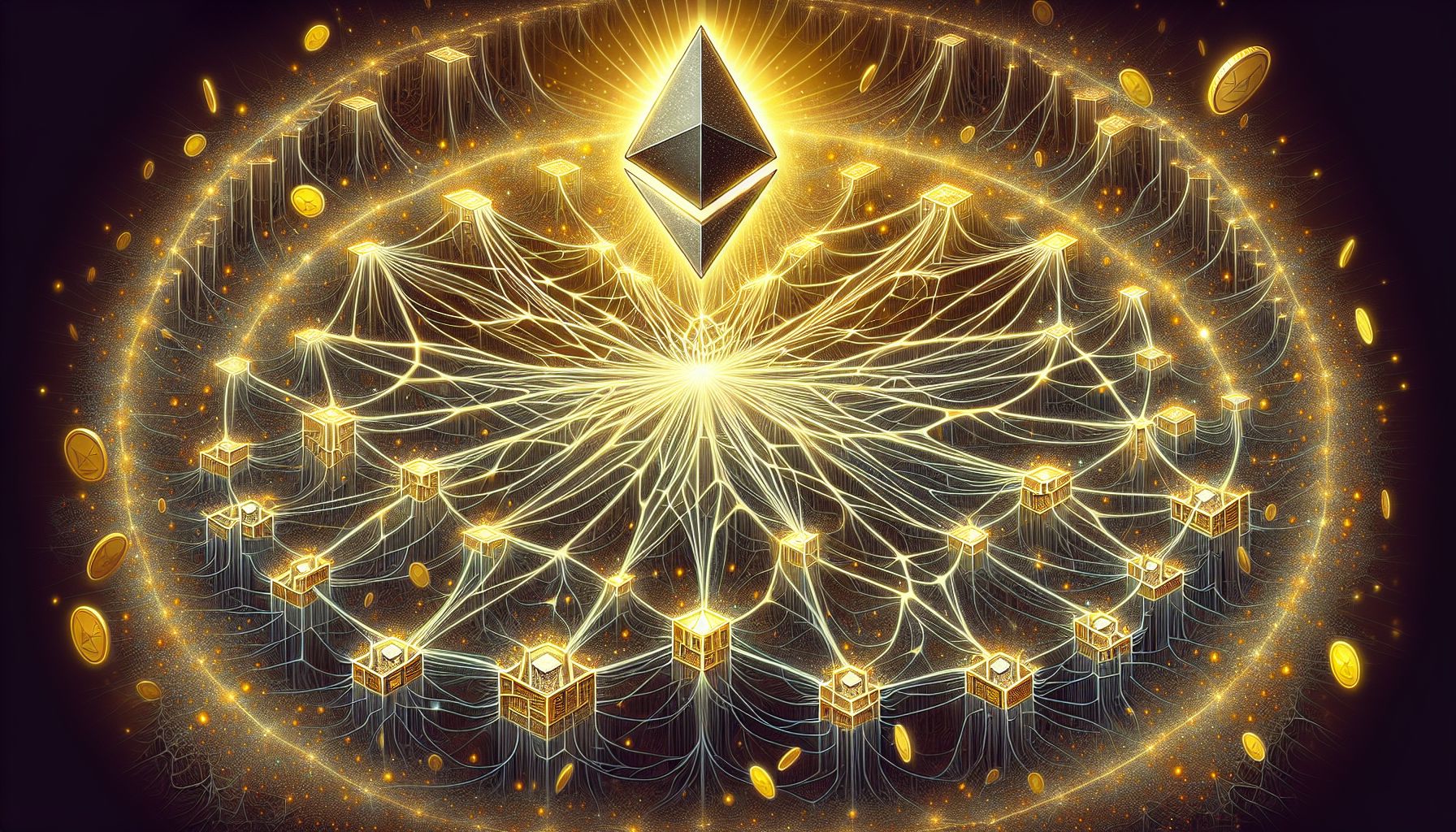
Ethereum – aptly named the world’s programmable blockchain – has greatly accelerated the era of decentralized finance (DeFi). Its ingenuity and decentralized features have been its backbone, giving it a competitive edge against contemporaries. This blog post seeks to unravel this complex ecosystem, providing a clear-cut understanding of what Ethereum DeFi ecosystem is all about.
Body
What is Ethereum?
Ethereum is a decentralized, open-source blockchain system that features its own cryptocurrency, Ether (ETH). It is the brainchild of Vitalik Buterin, who envisaged a platform where developers could build and innovate independent from centralized authorities. Ethereum brought about the concept of smart contracts that automatically execute transactions if certain conditions are met, creating a springboard for the advent of DeFi.
Exploring DeFi
Decentralized Finance (DeFi) is a financial system built on blockchain technology that offers traditional financial services in a decentralized manner, bereft of middlemen. This revolutionary concept has changed the way we perceive financial services, offering total control, full transparency, and increased accessibility.
The Ethereum DeFi Ecosystem
Ethereum is the nerve center for DeFi applications. With its ability to execute smart contracts, Ethereum provides the perfect platform for DeFi projects. This has led to a thriving ecosystem of financial applications that are disrupting banking services, lending and borrowing, derivatives, payments, and more.
Platforms such as Uniswap, Compound, and Aave, which constitute a significant part of the Ethereum DeFi ecosystem, have gained massive traction. The impressive performance of these platforms is demonstrative of Ethereum’s dominance in the DeFi industry.
Uniswap, a decentralized trading protocol, guarantees liquidity for millions of users and hundreds of applications. Compound is an algorithmic, autonomous interest rate protocol built for developers, to unlock new financial applications. Aave is a decentralized non-custodial money market protocol where users can participate as depositors or borrowers.
Despite the skyrocketing growth, Ethereum’s DeFi ecosystem isn’t without its challenges. Issues such as high gas fees and scalability have been a recurring problem. However, with the upcoming Ethereum 2.0 upgrade, these issues are expected to be addressed, providing an even more robust environment for DeFi.
Conclusion
Ethereum has undeniably made its mark on the DeFi space, hosting many of the leading DeFi platforms. It empowers developers to build innovative dApps, pushing the boundaries of what’s possible with blockchain technology. This, in turn, promotes financial inclusion and democratisation, two critical tenets of the DeFi movement.
Although Ethereum faces a few hurdles, there’s positive sentiment that these challenges are resolvable. The Ethereum DeFi ecosystem continues to rapidly grow and evolve, presenting a compelling case for the future of finance. Through its continuous development, Ethereum reinforces the belief that DeFi is not merely a buzzword but a significant shift towards a more inclusive and open financial system.
Financial notice (as of 16.10.2026): this article is general information, not financial, investment, tax, or legal advice. Crypto-assets are high risk: you can lose some or all of your money. Rules and products change; always check the official source and, if needed, ask an independent adviser.
Investment risk (as of 16.10.2026): past performance does not predict future results. No return is promised or guaranteed. Do not invest money you cannot afford to lose, and do not invest borrowed money.